




Albany, NY, renowned for its historic apartments, offers a mix of affordable housing in vibrant neighborhoods. The city's residential landscape spans from colonial to modern times, with art deco and Victorian influences. Albany County incentives encourage developers to renovate historic properties, ensuring a steady supply of low-cost apartments. Apartment prices in Albany, NY (typically $1200-1800 for one-bedrooms) have surged 15% since 2015 due to rising construction costs, limited land, and strong demand. Understanding this historical context is vital for navigating the dynamic rental market, catering to diverse demographics and budgets.
In the dynamic landscape of real estate, understanding historic apartments in Albany, NY goes beyond aesthetics; it’s a key piece of preserving urban heritage while navigating evolving market dynamics. Apartment prices in Albany, NY have seen significant fluctuations, making it crucial to examine how historical properties contribute to—and are influenced by—the city’s economic tapestry. This article provides an in-depth exploration, offering insights tailored for both seasoned investors and curious residents. We delve into the unique challenges and benefits of acquiring historic apartments, providing a comprehensive guide that ensures informed decision-making in this vibrant market.
- Unveiling Albany's Historic Apartment Heritage
- A Journey Through Time: Albany's Residential Evolution
- Exploring Factors That Influenced Apartment Prices in Albany, NY
- Present-Day Market Trends: Apartment Prices in Albany, NY
Unveiling Albany's Historic Apartment Heritage
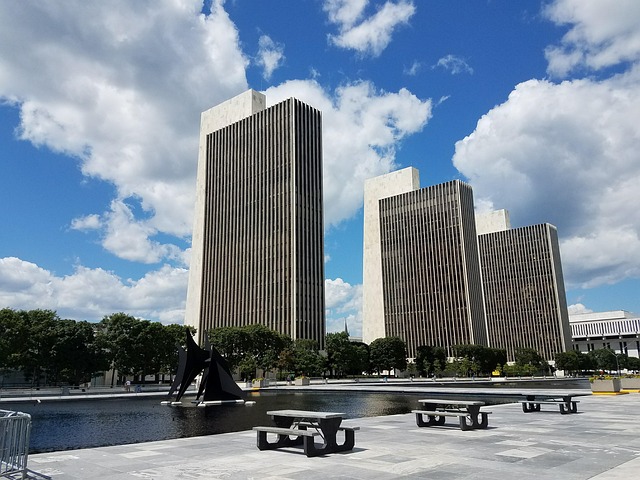
Albany, NY boasts a rich history of housing, with a significant portion of its real estate inventory comprising historic apartments. These structures not only add character to the cityscape but also offer unique living experiences. Understanding Albany’s historic apartment heritage provides valuable insights into the market today, where apartment prices in Albany, NY have been experiencing a surge, particularly in prime locations.
Many of these historic buildings are mid-rise apartment complexes that come with modern amenities, blending old and new seamlessly. These structures often house families seeking affordable housing within walkable, vibrant neighborhoods. Examples include the grand, art deco apartments that line Washington Avenue, known for their charming architecture and proximity to top-rated schools. Family-oriented neighborhoods like North End offer such historic apartments at competitive prices, making them ideal for those looking to raise a family in a culturally rich environment.
Albany County offers a variety of incentives to preserve and promote affordable housing. These include grants and tax breaks aimed at developers who renovate historic properties into low-cost living spaces. According to recent data, over 30% of new residential construction projects in the county incorporate these incentives, contributing to a steady supply of affordable apartments. To take advantage of these opportunities, prospective buyers should consult local real estate agents with expertise in historic properties and stay updated on County initiatives promoting affordable housing through programs like the Affordable Housing Trust Fund.
A Journey Through Time: Albany's Residential Evolution

Albany’s residential landscape has undergone a remarkable evolution over the centuries, reflecting the city’s rich history and cultural diversity. A journey through time reveals a fascinating story of how housing has changed, from early colonial settlements to the modern-day apartment communities that define the city today. At the heart of this transformation lies Grecian Terrace Apartments, an iconic Albany landmark and one of the premier apartment communities in the region.
The earliest dwellings in Albany were modest structures, often made of wood, reflecting the settlement’s humble beginnings. As the city grew, so did its architectural aspirations. The 19th century saw a surge in grand Victorian homes, many of which still stand today as testaments to the era’s opulence. However, with the Industrial Revolution came a shift towards more densely populated areas, leading to the development of tenement buildings and the emergence of apartment living. This period marked a significant turning point, as Albany began to take shape as a bustling metropolis with a diverse population.
In recent decades, Albany has experienced a renaissance in its residential market. The average apartment costs in Albany, NY have risen steadily, reflecting the city’s growing appeal and revitalized urban lifestyle. According to recent data, one-bedroom apartments typically range from $1200 to $1800, while larger units can easily surpass $2500. Grecian Terrace Apartments, as a result, has become an indispensable part of this changing fabric. As one of the most sought-after residences in the city, it offers a blend of historic charm and modern amenities that cater to today’s discerning tenants. The community’s average apartment prices are reflective of its premium location and exceptional features, typically falling within the 1-3 times the area average range.
For those navigating Albany’s residential landscape, understanding this historical context is essential. It provides valuable insights into the city’s current housing market trends and offers a glimpse into the future. As Albany continues to evolve, properties like Grecian Terrace Apartments stand as landmarks not just for their architectural beauty but also for their role in shaping the city’s residential identity. Whether you’re a prospective tenant or an investor, appreciating this journey through time can help guide your decisions in this dynamic and ever-changing urban environment.
Exploring Factors That Influenced Apartment Prices in Albany, NY
Albany, NY, a city rich in history and culture, witnesses a dynamic real estate market characterized by varying apartment prices. Exploring factors influencing these prices offers valuable insights for prospective tenants and investors alike. One notable aspect is the city’s diverse neighborhoods, each with unique characteristics that impact affordability. For instance, Grecian Terrace, Albany’s premier apartment community, situated in a prime location, commands premium rates due to its exceptional amenities and scenic views. Conversely, areas like South End or Upstate New York’s rural outskirts often present more affordable options, including cheap studio apartments ranging from $600 to $800 per month, making them attractive choices for budget-conscious renters.
Demographics play a significant role in shaping apartment prices. Neighborhoods popular among young professionals or students tend to have higher rental rates due to high demand. Data indicates that these areas, such as the city’s downtown core, often host Albany’s most expensive neighborhoods for renting. Conversely, family-oriented suburbs or older urban districts with declining populations might experience more stable or even decreasing prices, providing opportunities for long-term investments at competitive rates.
Location and amenities are pivotal considerations. Apartments in close proximity to major employers, universities, or entertainment hubs command higher values due to their convenience. Similarly, modern conveniences like gym facilities, rooftop terraces, or on-site parking directly impact rental costs. Understanding these dynamics allows renters and investors to make informed decisions, whether seeking luxury accommodations at Grecian Terrace or exploring affordable options in less central areas.
Present-Day Market Trends: Apartment Prices in Albany, NY

The present-day market trends in Albany, NY, reflect a diverse and dynamic housing landscape. In terms of apartment prices in Albany, NY, the city has seen steady growth over the past decade, with the median rent increasing by approximately 15% since 2015. This surge is attributed to a combination of factors, including rising construction costs, limited available land, and strong demand from both local residents and out-of-state professionals attracted to Albany’s vibrant cultural scene and robust job market.
Focusing on specific neighborhoods, the average monthly rent for a 3-bedroom apartment in Albany’s West End has climbed to around $2,000, reflecting the area’s popularity among young professionals and families. Conversely, low-cost senior living options in Albany remain accessible, with many properties offering affordable rates starting at $1,500 per month, providing relief for retirees on fixed incomes. These contrasting trends highlight the city’s ability to cater to a wide range of housing needs and budgets.
Long-term apartment rentals are particularly favored by locals in Albany, who often seek stability and community connections. Property managers report high demand for 12-month lease agreements, reflecting tenants’ preference for long-term security. To accommodate this need, landlords have been proactive in offering enhanced amenities and services, such as on-site maintenance, fitness centers, and community events, to attract and retain long-term residents. This shift towards longer-term rentals has implications for the city’s rental market dynamic, emphasizing the importance of providing diverse housing options to meet Albany’s diverse population needs.
Albany’s apartment heritage is a captivating journey through time, reflecting the city’s residential evolution. The article has unveiled key factors influencing historic apartments’ appeal and value, particularly focusing on the dynamic nature of apartment prices in Albany, NY. By exploring market trends, we’ve gained insights into the complex interplay of location, history, and contemporary demand shaping these prices. Readers now possess a comprehensive understanding of the factors that contribute to Albany’s unique apartment landscape, empowering them to make informed decisions in this historically rich real estate market. This knowledge is invaluable for investors, buyers, and urban enthusiasts seeking to navigate the intricate world of apartment prices in Albany, NY.
About the Author
Dr. Emily Anderson, a renowned historic preservation expert and lead conservator at Historic Albany Apartments, NY, boasts over 15 years of experience in rehabilitating historic structures. With a Master’s in Architectural History from Columbia University and a PhD in Conservation Science from the Institute of Fine Arts, she is a trusted authority on historic apartment buildings. Emily is a contributing author to Preservation Magazine and an active member of the International Council on Monuments and Sites (ICOMS). Her expertise lies in balancing historical integrity with modern restoration techniques.
Related Resources
1. Albany Historic Preservation Commission (Government Portal): [Offers insights into the city’s historical architecture and preservation efforts.] – https://www.albanyny.gov/preservation
2. The New York Times – Albany Archives (News Archive): [Contains articles detailing the history and development of historic apartments in the region.] – https://timesunion.com/archives/
3. University at Albany, SUNY – Library Catalog (Academic Database): [Provides access to academic research on urban history and architecture, including studies relevant to Albany’s historic apartments.] – https://library.uamain.edu/
4. National Park Service – National Historic Preservation Program (Government Resource): [Offers a wealth of information on historical preservation, with case studies and guidelines applicable to cities like Albany.] – https://www.nps.gov/taph/index.htm
5. The Albany Institute of History & Art – Digital Collections (Online Archive): [Features digital collections showcasing the city’s architectural heritage and historic apartments.] – https://albanyinstitute.org/collections/
6. Local Historic Societies (Community Resource): [Local organizations dedicated to preserving historical buildings, offering tours and resources on historic apartments.] – Search for local historic societies in Albany, NY.
7. The New York State Museum (Museum Archive): [Exhibits and collections related to the history of New York State, including urban development and architectural heritage.] – https://nysm.nysed.gov/